


IV crush after earnings is the single most predictable event in options trading — and it destroys more accounts than any other. Every quarter, the same pattern repeats. Implied volatility inflates before the announcement. The stock reports. IV collapses overnight. The option that cost $500 yesterday is worth $150 today. The trader who bought it stares at the screen wondering what happened.
What happened is IV crush. And it happens every single earnings cycle, on every single stock, without exception. The only variable is the magnitude. This guide explains why implied volatility behaves this way around earnings, what the math actually looks like, and how structural traders position around the event instead of getting caught by it.
What IV Crush After Earnings Actually Is
Implied volatility is the market’s forecast of future movement. Before earnings, that forecast expands because an earnings announcement is a known catalyst — the stock will move, and nobody knows which direction. Consequently, options prices inflate to reflect the uncertainty. After the announcement, the uncertainty disappears. The stock reported. The move happened — or it did not. Either way, the catalyst is gone. As a result, implied volatility collapses back to its baseline level, sometimes dropping 30-60% overnight. This collapse is IV crush. It is not a surprise. It is not a market anomaly. It is the mechanical repricing of uncertainty after the uncertain event has passed. Every options contract on the chain reprices simultaneously. The VIX does the same thing at the index level around FOMC meetings and economic releases — implied volatility expands before the event and contracts after it. The problem is that most retail traders buy options before earnings to “play the move.” They pay inflated premiums for calls or puts, expecting the stock’s direction to generate profit. However, even when the stock moves in their direction, the IV crush after earnings can erase the entire gain. The directional move they predicted was correct — and they still lost money.
The IV Crush After Earnings Math That Kills Premium Buyers
Here is a concrete example. A stock trades at $200. Earnings are tomorrow. The at-the-money call costs $12 — reflecting 60% implied volatility. The expected move is roughly $12, or 6%. The stock reports strong earnings and gaps up 4% to $208. The call is now $8 in-the-money. But implied volatility has dropped from 60% to 30%. The extrinsic value that made up $4 of the original premium has evaporated. In practice, the option that cost $12 is now worth $9. The trader was right on direction — and lost $300 per contract. This math repeats across every earnings cycle. The vega component of the option’s price works against the buyer. Before earnings, high IV inflates the price. After earnings, the vega collapse subtracts value faster than delta adds it — unless the stock makes a move significantly larger than the expected move. The break-even is not “stock goes up.” The break-even is “stock moves far enough in my direction to overcome the IV crush that will occur.” Most traders never calculate this number. They see the direction and assume profit follows. It does not.Why Premium Sellers Also Get It Wrong
The natural response to understanding IV crush after earnings is to sell premium. If IV is going to collapse, sell the inflated options, collect the premium, and profit from the contraction. This is the logic behind selling straddles or credit spreads before earnings. The logic is correct in theory. In practice, it fails often enough to be dangerous. The problem is that the expected move is already priced in. The options market is not offering you free money. The premium you collect for selling a straddle before earnings is approximately equal to the expected move. When the stock moves less than expected, you profit. When it moves more — and this happens roughly 30-40% of the time — the loss overwhelms the credit. Furthermore, earnings gaps can be violent. A stock that normally moves 3% can gap 12% on a guidance surprise. The iron condor that looked safe with strikes 8% wide gets blown through overnight. The credit you collected was $2. The loss is $8. One event erases four winners. This is the same credit spread asymmetry that kills traders in every other context — small credits, large tail risk. Earnings simply concentrates the risk into a single overnight event where you cannot adjust.How Structural Traders Handle Earnings IV
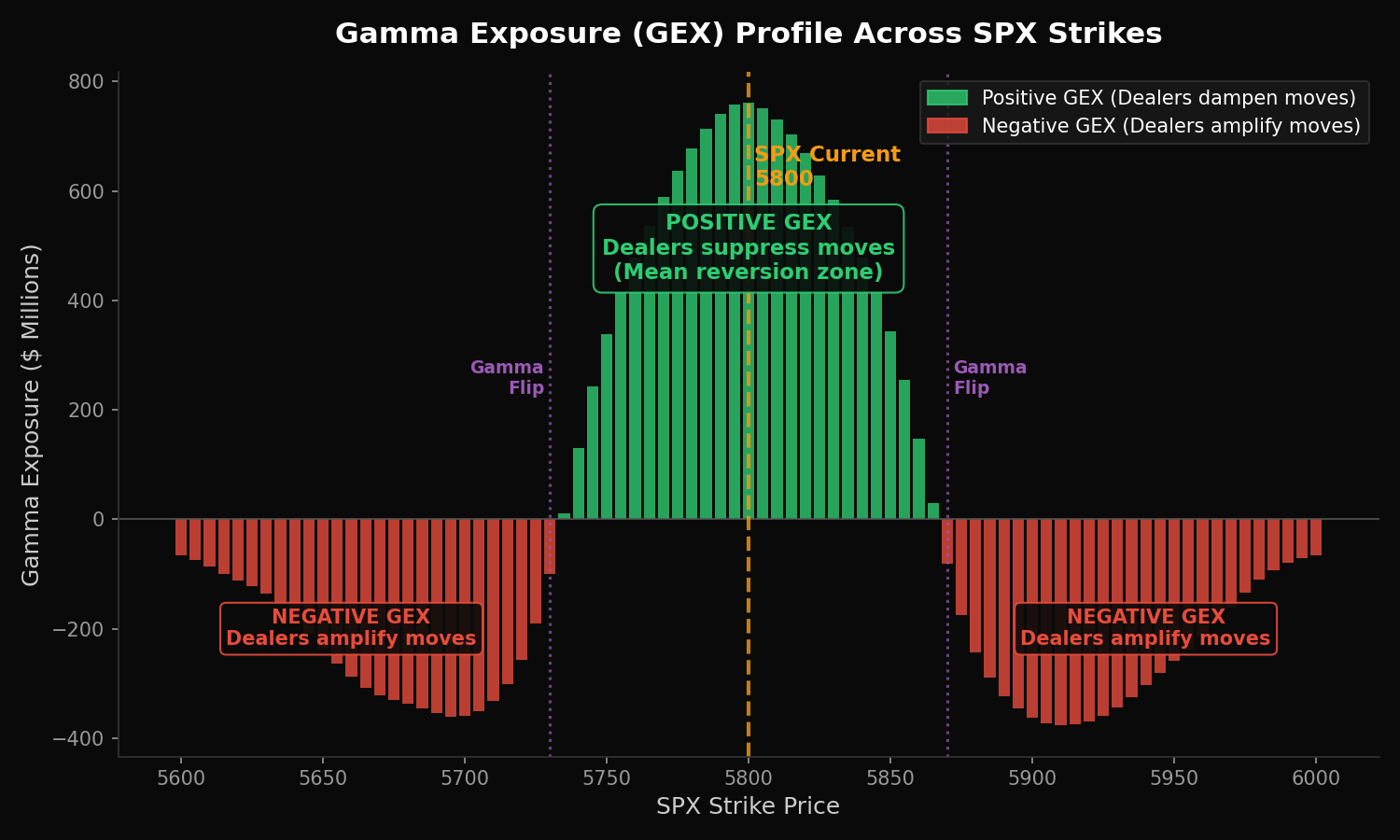
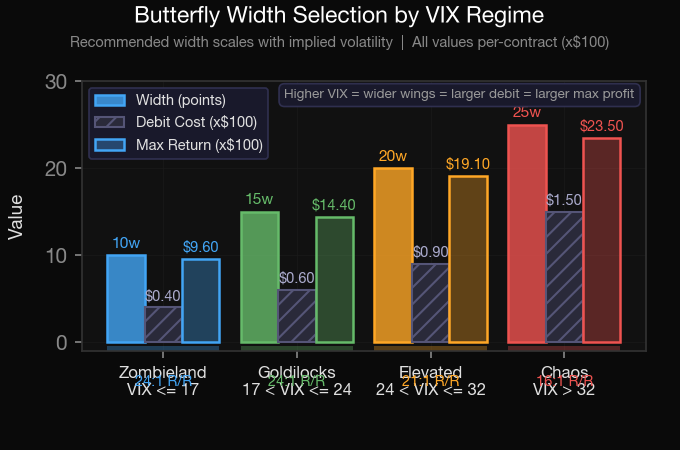
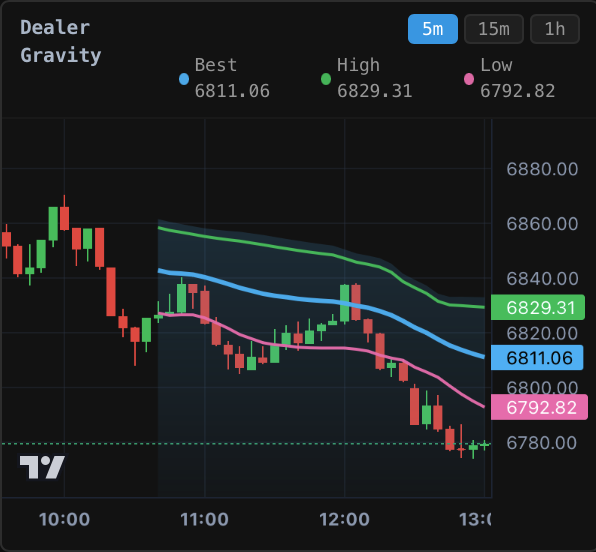
Structural traders do not buy options before earnings hoping to catch the direction. They also do not blindly sell premium hoping the expected move holds. Instead, they use the IV crush dynamic as context for positioning around the event rather than through it. Pre-earnings: read the IV landscape. Compare the stock’s current implied volatility to its historical IV and to the realized volatility of the last 10-20 sessions. If IV is significantly elevated relative to realized vol, the premium is rich. If IV is only slightly above normal, the market is not pricing in a significant move and the risk-reward for any premium strategy is poor. Identify the expected move. The expected move quantifies how far the market thinks the stock will go. Compare this to the stock’s actual earnings moves over the last 4-8 quarters. If the stock has beaten the expected move 6 out of 8 times, selling premium is structurally dangerous. If it has stayed within the range 7 out of 8 times, the premium is compensating you fairly. Post-earnings: exploit the crush. The most consistent edge is not playing through earnings but positioning after the IV collapse. Once the announcement passes, IV settles to its baseline. If the stock has made an outsized move — a gap that overshoots the structural range — a butterfly spread placed at the convergence target offers asymmetric risk-reward with deflated premium costs. Use GEX data to confirm. After earnings, dealer positioning shifts. If the post-earnings landscape shows positive gamma exposure, mean reversion is supported. If negative, the gap can extend. The structural read determines whether the post-earnings setup is convergence or continuation. The daily pre-market analysis in Observer ($17/week) delivers this context — GEX profile, VIX regime, expected move, and dealer gravity levels — before every session. Activator ($97/month) adds real-time tools and weekly coaching. Navigator ($267/month) provides daily direct coaching with Ernie. Compare all plans here.
The IV Crush After Earnings Cycle Most Traders Miss
IV crush after earnings is not a single event — it is part of a cycle that repeats every quarter. Understanding the full cycle reveals when and where the edge exists. Weeks 1-2 before earnings: IV begins expanding as the announcement approaches. Options prices rise. Premium sellers see attractive credits. Premium buyers see directional opportunities. Both are walking into the IV crush zone. Day of announcement: IV peaks. Options are at maximum inflation. Any position initiated here pays the highest premium cost or collects the richest credit — but faces the steepest crush on the other side. Day after announcement: IV collapses. The crush happens overnight. Positions cannot be adjusted between the close and the opening gap. This is where most damage occurs. Weeks 1-3 after earnings: IV settles at its post-earnings baseline. This is the structural window — premium is fairly priced, the catalyst has passed, and the stock’s behavior reverts to its normal GEX-driven patterns. Ultimately, this is where consistent edge exists for traders who understand the cycle. Most traders only see step 2 — the day of the announcement. They ignore the cycle. They buy expensive options or sell premium without understanding where they sit in the IV arc. Structural traders map the entire cycle and only act when the positioning favors them.The Bottom Line
IV crush after earnings is not a risk to manage — it is the entire game around announcements. Every option position initiated around an earnings announcement is a bet on the magnitude of the crush relative to the magnitude of the stock’s move. Most traders make this bet without calculating the break-even. Most traders lose. The structural approach is simple. Do not buy inflated premium before the announcement unless you believe the stock will move significantly beyond the expected move. Do not sell premium unless the historical pattern strongly favors the stock staying within range. Instead, wait for the crush to pass and position in the post-earnings landscape where IV is fair, order flow is readable, and the IV crush is no longer a variable. That structural read starts with Observer ($17/week): daily GEX profiles, gravity levels, expected move, and VIX context. Activator ($97/month) adds real-time tools and weekly coaching. Navigator ($267/month) provides daily direct coaching with Ernie. Compare all plans here.
Frequently Asked Questions
What is IV crush after earnings?
IV crush after earnings is the rapid collapse of implied volatility that occurs once an earnings announcement passes. Before the report, IV inflates to price in the uncertainty of the event. After the report, that uncertainty disappears and IV drops — often 30-60% overnight — reducing option values regardless of the stock’s direction.Can you still profit if the stock moves in your direction after earnings?
Only if the stock moves far enough to overcome the IV crush. A 4% move on a stock with a 6% expected move is not enough. The vega loss from the volatility collapse can exceed the delta gain from the directional move. In practice, the stock must beat the expected move significantly for directional options to profit through earnings.Is selling options before earnings a good strategy?
Selling premium before earnings captures the IV crush when the stock stays within the expected range. However, the expected move is already priced in. When the stock exceeds the range — which happens 30-40% of the time — a single loss can erase multiple winners. The credit spread asymmetry makes this a negative expectancy approach without careful selection.When is the best time to trade options around earnings?
The most consistent structural edge exists after earnings — once IV has already collapsed. Post-announcement, options are fairly priced, the catalyst has passed, and the stock reverts to its normal GEX-driven behavior. Positioning with convergence structures like butterfly spreads in the post-earnings landscape avoids the crush entirely.How do you calculate the expected move before earnings?
The expected move is derived from the at-the-money straddle price for the expiration that covers the earnings date. Add the call and put premiums — that total approximates the market’s expected range for the stock’s earnings reaction. Compare this to the stock’s actual earnings moves over recent quarters to assess whether the market is overpricing or underpricing the event.FATTAIL BRIEFINGS
Get FatTail briefings in your inbox
Pick the lists you want. FOMC Alerts is selected by default.